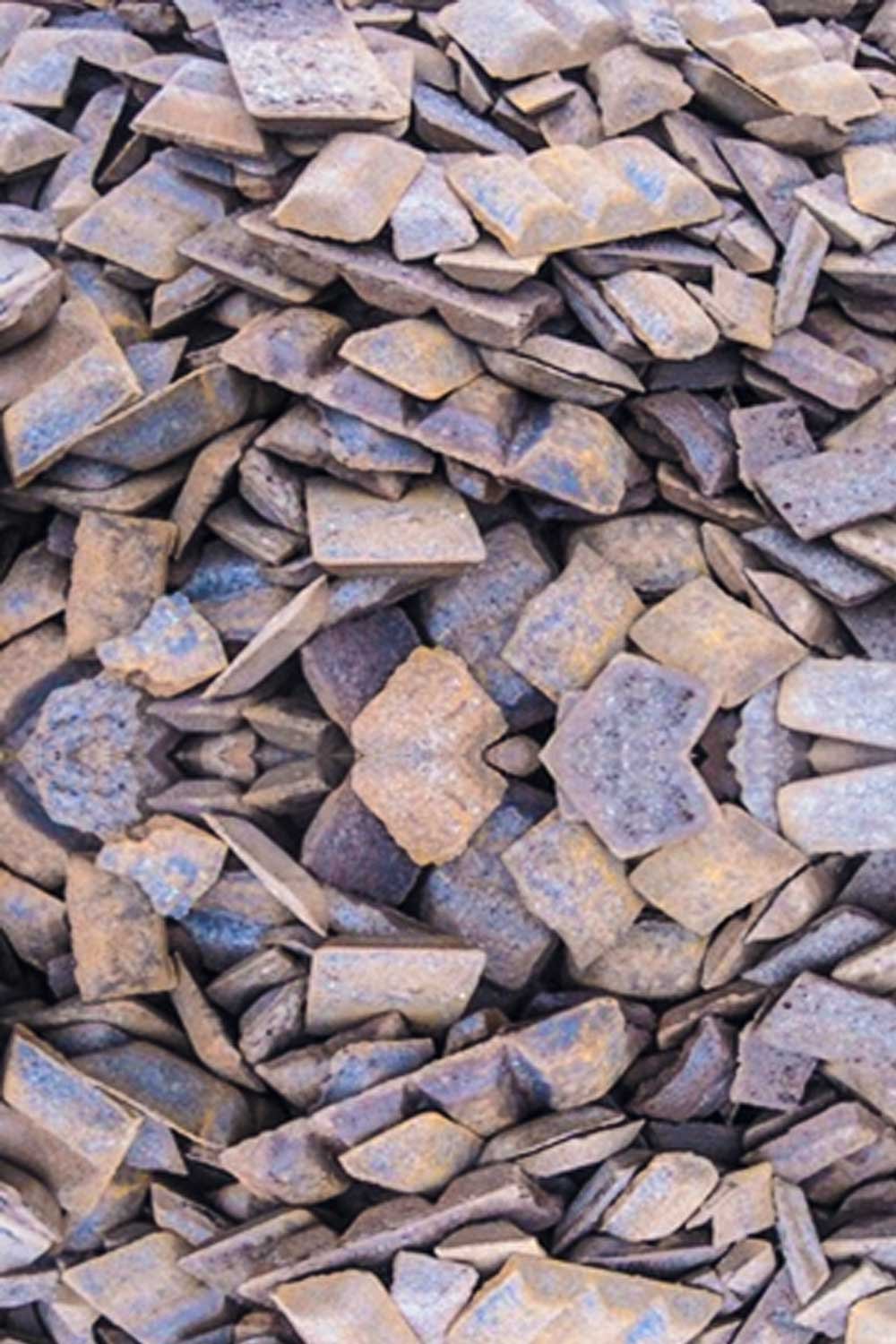
Pig Iron
Description
Pig iron is the product of smelting iron ore (also ilmenite) with a high-carbon fuel and reductant such as coke, usually with limestone as a flux. Charcoal and anthracite are also used as fuel and reductant. Pig iron is produced by smelting or iron ore in blast furnaces or by smelting ilmenite in electric furnaces. The vast majority of pig iron is produced and consumed within integrated steel mill complexes. In this context the term “pig iron” is something of a misnomer: within integrated steel mills, blast furnace iron is transferred directly to the steel plant in liquid form, better known as "hot metal" or "blast furnace iron." The term “pig iron” dates back to the time when hot metal was cast into ingots before being charged to the steel plant. The moulds were laid out in sand beds such that they could be fed from a common runner. The group of moulds resembled a litter of sucking pigs, the ingots being called “pigs” and the runner the “sow.”
Merchant pig iron
Merchant pig iron is cold pig iron, cast into ingots and sold to third parties as feedstock for the steel and ferrous casting industries. Merchant pig iron is produced by:- dedicated merchant plants: all of whose production is sold to external customers: or
- integrated steel mills: with iron that is surplus to their internal requirements and cast into ingots and sold to the merchant market.
Types of merchant pig iron
Merchant pig iron comprises three main types:- basic pig iron: used mainly in electric arc steelmaking
- foundry pig iron (also known as haematite pig iron): used in mainly in the manufacture of grey iron castings in cupola furnaces
- high purity pig iron (also known as nodular pig iron): used in the manufacture of ductile [also known as nodular or spheroidal graphite – SG] iron castings.
Composition and characteristics
Pig iron contains at least 92% Fe and has a very high carbon content, typically 3.5 - 4.5%. Other constituents are given in the table below:Typical pig iron characteristics (% by weight)
Pig iron type |
C |
Si |
Mn |
S |
P |
Basic |
3.5 - 4.5 |
≤1.25 |
≤1.0 |
≤0.05 |
0.08-0.15 |
Foundry |
3.5 - 4.1 |
2.5 - 3.5 |
0.5 - 1.2 |
≤0.04 |
≤0.12 |
High Purity/Nodular |
3.7 - 4.7 |
0.05 -1.5 |
≤0.05 |
≤0.025 |
≤0.035 |
Pig iron is supplied in a variety of ingot sizes and weights, ranging from 3 kg up to more than 50 kg.
Benefits in steelmaking and ferrous casting
For further information about pig iron and its advantages in Electric Arc Furnace (EAF) steelmaking and ferrous casting, please see our Fact Sheets:
- Use of Basic Pig Iron in the Electric Arc Furnace (EAF) for steelmaking
- Use of High Purity Pig Iron for Foundries Producing Ductile Iron Castings
- Use of Foundry Pig Iron in Grey Iron Castings.
Shipping and handling of Pig Iron
For the purposes of the International Maritime Organisation's International Maritime Solid Bulk Cargoes Code, the schedule for Pig Iron classifies Pig Iron as Group C (cargoes which are neither liable to liquefy nor possess chemical hazards.